Introduction
Ventilator training is a necessary aspect of modern healthcare, particularly in crucial treatment setups. As technology advancements and the complexity of patient needs rises, the significance of having trained healthcare experts becomes paramount. This comprehensive introduction intends to explore the numerous aspects of ventilator training, discovering its requirement, approaches, and effects for client treatment. From nurses to breathing therapists, recognizing how to operate a ventilator can considerably impact person outcomes.
Understanding Ventilator Training: A Comprehensive Overview
Ventilator training incorporates a broad series of abilities and understanding called for to efficiently handle individuals who need respiratory support. Offered the detailed nature of air passage and air flow management, it is crucial that healthcare providers obtain efficiency through structured learning experiences. This write-up will certainly break down the components of ventilator training, covering vital subjects such as basic ventilator courses, specialized ventilation training programs for registered nurses, and unique programs like NDIS ventilation training.
The Relevance of Ventilator Training in Healthcare
Why is Ventilator Educating Essential?
In essential treatment atmospheres, individuals may experience severe breathing failure because of various conditions such as pneumonia, chronic obstructive pulmonary illness (COPD), or injury. For these individuals, prompt and appropriate ventilatory assistance can be life-saving.
- Patient Safety: Appropriate training ensures that healthcare providers can make enlightened choices concerning launching or discouraging from ventilatory support. Skill Proficiency: Hands-on experience with tools promotes confidence in managing complex scenarios and emergencies. Interprofessional Collaboration: Reliable interaction among employee enhances overall client administration strategies.
Types of Ventilation Training Courses
Basic Ventilator Course
A fundamental ventilator training course is created for newbie practitioners or those wanting to freshen their knowledge. Secret parts consist of:
- Fundamentals of Mechanical Ventilation Types of Ventilators Parameters and Settings: Understanding modes such as assist-control (A/C) and stress assistance (PSV).
Advanced Ventilation Training Courses
For experienced medical professionals looking for innovative expertise, specialized courses focus on:
- Complex Patient Scenarios: Taking care of clients with comorbidities. Ventilator Graphics: Interpreting waveforms to enhance settings.
Ventilator Training for Nurses
Nurses play a critical duty in person monitoring and administration throughout mechanical air flow. Specialized ventilator training for registered nurses includes:
- Patient Assessment Skills: Identifying signs of distress or complications. Collaborative Care Models: Functioning alongside respiratory specialists for incorporated treatment delivery.
Tracheostomy and Ventilator Training
Tracheostomy treatments often require specialized expertise relating to ventilation strategies. Key areas covered consist of:
- Indications for Tracheostomy Care Procedures Post-Tracheostomy Placement
This training equips healthcare providers to take care of both tracheostomy treatment and mechanical air flow concurrently.
Airway Monitoring and Ventilation Techniques
Effective air passage management is foundational to effective ventilation techniques. Recognizing different airway securing methods-- like intubation or supraglottic tools-- is vital:

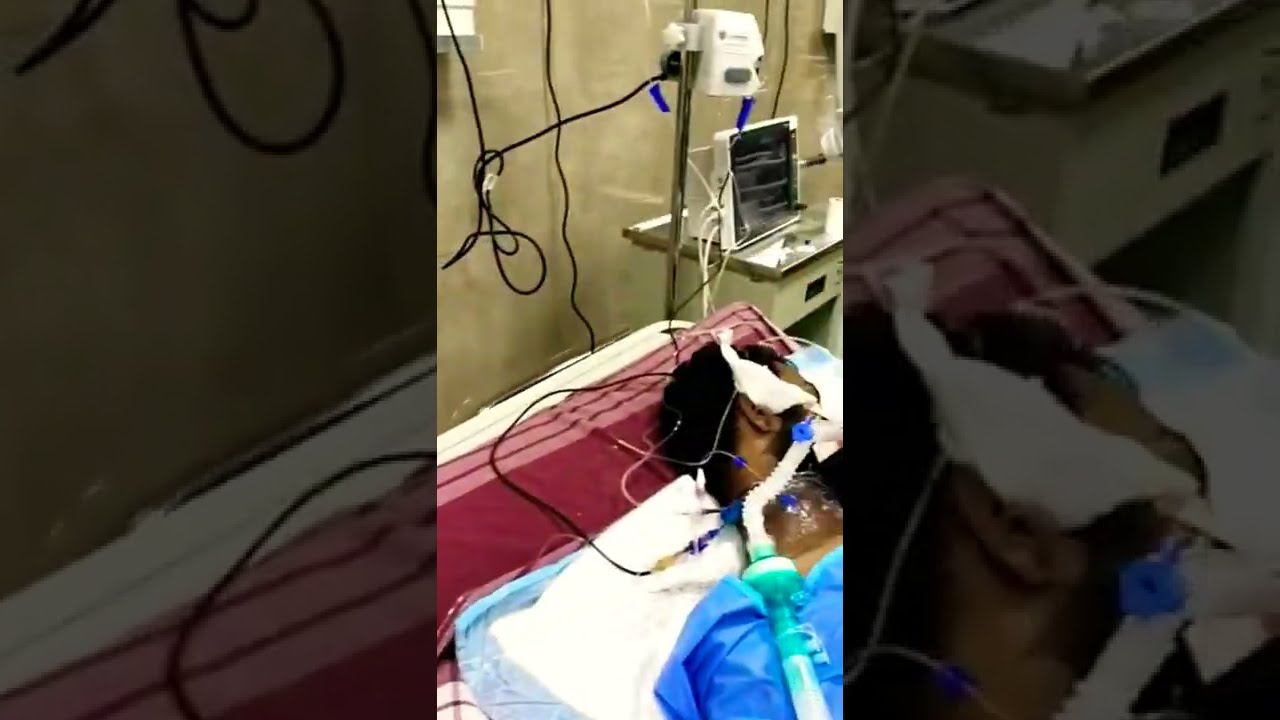
NDIS Ventilation Training course Overview
The National Special needs Insurance policy System (NDIS) highlights tailored education and learning for caregivers dealing with people needing recurring ventilatory support because of handicaps. The NDIS ventilation training course covers:
- Legal Responsibilities: Compliance with treatment standards. Family Education and learning Strategies: Encouraging family members in managing home-based care effectively.
Ventilation Assistance Approaches Explained
What is Ventilator Support?
Ventilator assistance describes using equipments that assist clients' breathing when they are unable to do so separately. This encompasses various settings:
Continuous Positive Respiratory tract Pressure (CPAP) Bilevel Favorable Airway Pressure (BiPAP) Invasive vs Non-invasive SupportUnderstanding Settings of Mechanical Ventilation
Different settings serve tracheostomy and ventilator training distinct functions based on patient demands:
|Mode|Description|Indicators|| ---------------------|---------------------------------|-----------------------------------|| Assist-Control|Supplies breaths at established intervals|Patients with weak respiratory drive|| Pressure Support|Supplies stress support on each breath|Spontaneous breathing patients|
FAQs About Ventilator Training
1. What credentials are needed for ventilator training?
Typically, a basic understanding of human makeup, physiology, and prior nursing or medical education forms the structure before going to specialized courses.

2. For how long do ventilation training programs usually take?
Most basic programs last between one to 2 days; advanced courses may extend over numerous weeks depending upon the educational program depth.
3. Can I receive hands-on experience during these courses?
Yes! Most reputable programs incorporate simulation laboratories where individuals practice real-life situations using mannequins or virtual simulations.
4. Are on-line training courses available for ventilator training?
Yes! Lots of institutions offer hybrid designs combining online academic elements adhered to by hands-on workshops.
5. Exactly how usually must I revitalize my knowledge on air flow techniques?
It's suggested to renew your skills every two years through continuing education and learning units (CEUs) or refresher course courses.
6. Is it possible to specialize further after preliminary air vent training?
Absolutely! Numerous professionals go after certifications concentrating on pediatrics, emergency medicine, or certain illness processes impacting lung function.
Conclusion
Understanding ventilator training is vital in guaranteeing quality person care in today's healthcare setting where mechanical ventilation plays a critical function online ventilator training for nurses in saving lives. With different types of programs offered-- from basic air vent skills to sophisticated techniques-- healthcare experts are equipped not just through understanding however additionally through useful application within medical settings.
As we browse a future where respiratory issues continue to rise worldwide, investing time right into thorough ventilation education continues to be an indispensable property across all degrees of medical employees-- from beginner nurses starting their professions to skilled experts looking for expertise possibilities in this complex field.
By highlighting continual understanding through structured programs like NDIS ventilation solutions or tracheostomy-related components, we can make sure that every person gets safe and reliable airway management-- ultimately leading in the direction of boosted results throughout health care systems worldwide.
This organized approach makes sure that viewers walk away with a profound understanding of what it means to be trained in the nuances of mechanical ventilation-- a skillset that stands at the intersection in between modern technology and compassionate client care.